It’s natural to worry when cracks appear in your foundation. Repairing foundation issues isn’t only about fixing visible damage. It’s about protecting your home’s structure for years to come. Knowing the options, the cost factors and how insurance works will help you make good decisions and avoid surprises.
Understanding foundation cracks
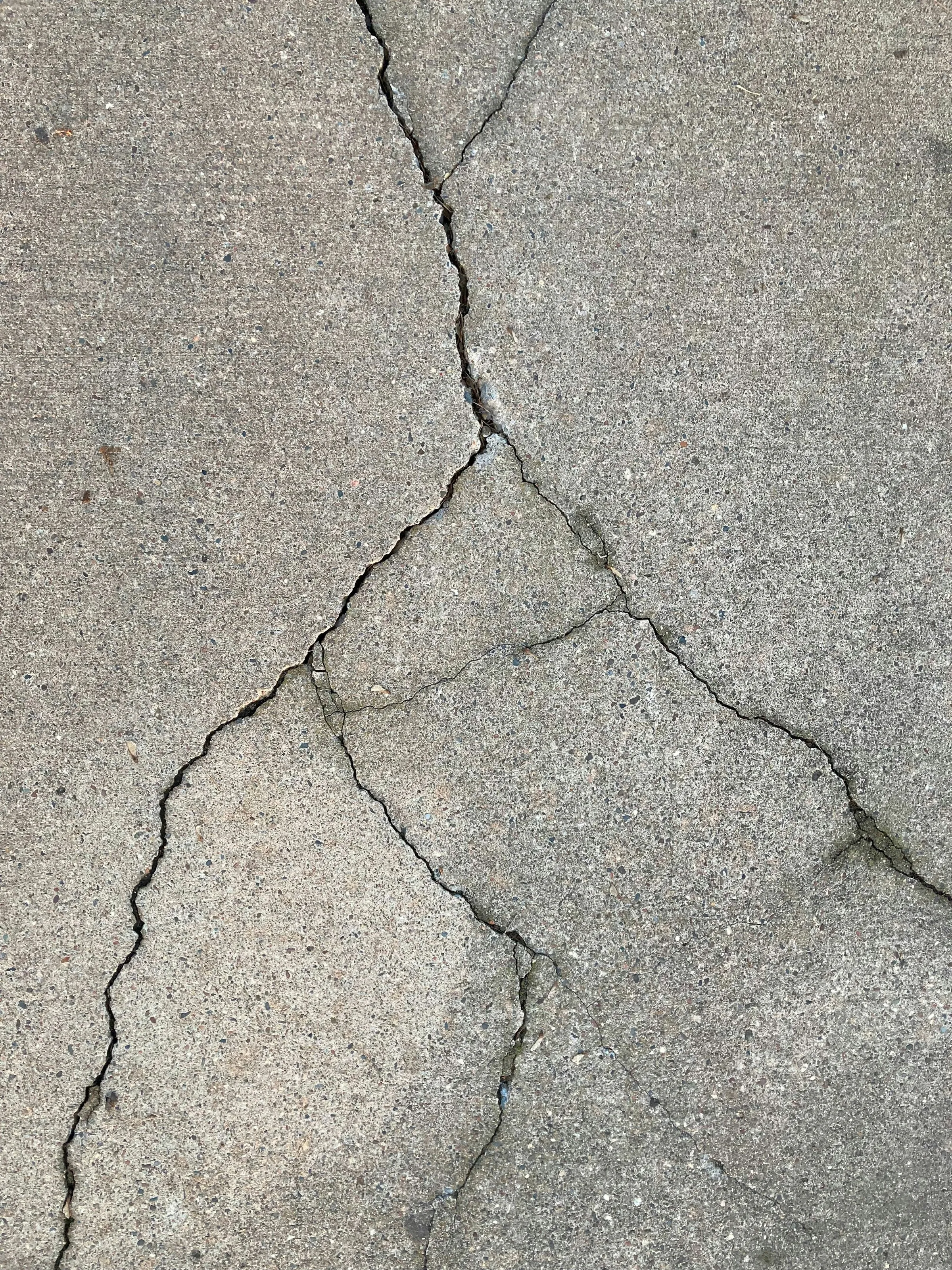
The foundation supports everything above ground. When cracks develop, they can signal anything from minor settling to serious structural damage, so the first step is identifying the type of crack and its cause.
- Hairline cracks are usually cosmetic and caused by normal settling.
- Vertical cracks may indicate shrinkage or minor movement.
- Horizontal or stair-step cracks often suggest more serious pressure or shifting.
The right repair depends on the crack’s size, location and cause. Some can be sealed with epoxy or polyurethane injections, while others call for underpinning or wall stabilization.
What affects foundation repair costs
Costs vary widely. Several factors influence the price:
- Severity of the damage. Small cracks cost less to fix than large structural issues.
- Type of repair. Simple crack sealing costs less than installing piers or underpinning.
- Foundation type. Slabs, crawl spaces and basements each have different repair methods.
- Accessibility. Tight or hard-to-reach areas can increase labor costs.
- Local labor and materials. Prices vary by region and market conditions.
Sealing a minor crack might cost a few hundred dollars, while extensive underpinning can run into the thousands. A professional inspection is the way to understand the actual scope of your repair.
Will homeowners insurance cover a cracked foundation?
That depends on the cause of the damage and the details of your policy.
- Covered causes often include sudden events like fire or vandalism.
- Excluded causes usually involve gradual issues like soil movement, settling or wear and tear.
Many standard policies don’t cover foundation damage from earth movement or poor construction, although some insurers offer optional endorsements or separate policies for certain risks. Review your policy and speak with your agent, since they’re the only ones who can tell you what’s covered under your plan.
Common methods for repairing foundation cracks
- Epoxy or polyurethane injection fills cracks to restore strength and stop water from getting in. It’s well suited to narrow cracks.
- Carbon fiber straps are applied to walls to reinforce them and prevent further cracking.
- Underpinning with piers uses steel or concrete piers driven deep into the soil to stabilize and lift a sinking foundation.
- Mudjacking or slabjacking pumps a grout mixture under a sunken slab to raise it back to level.
- Wall anchors are installed outside the foundation to help resist soil pressure pushing against the walls.
Each method has pros and cons, and a professional assessment will point to the best approach for your home.
Tips for choosing a foundation contractor
- Check credentials. Look for a licensed, insured and experienced contractor.
- Ask for references. Speak with past clients about their experience.
- Get multiple quotes. Compare prices and proposed solutions.
- Request a detailed inspection report. Make sure you understand the cause and the recommended repairs.
- Avoid high-pressure sales tactics. A reputable contractor will give you time to decide.
Planning for long-term foundation health
Prevention reduces the risk of future problems:
- Manage water drainage. Make sure gutters and downspouts direct water away from the foundation.
- Keep soil moisture consistent. Avoid letting soil dry out or become overly saturated.
- Inspect regularly. Catching cracks early can save money.
- Control vegetation. Large trees and shrubs near the foundation can affect soil stability.
Moving forward with confidence
Whether you’re looking at a small crack or a more serious concern, acting early helps keep your home safe and stable. If you’re in Boston or on the South Shore, our foundation team can inspect it and explain your options.